
By Antigoni Komodiki, CEO of Junior Achievement Cyprus
Brussels, 16 October 2026
What began as a response to a crisis has grown into a European effort to strengthen the connection between culture, creativity, entrepreneurship and education. As Cultural BEES reaches a defining milestone, its partners are turning their attention to a crucial question: how can its impact continue long after the project ends?
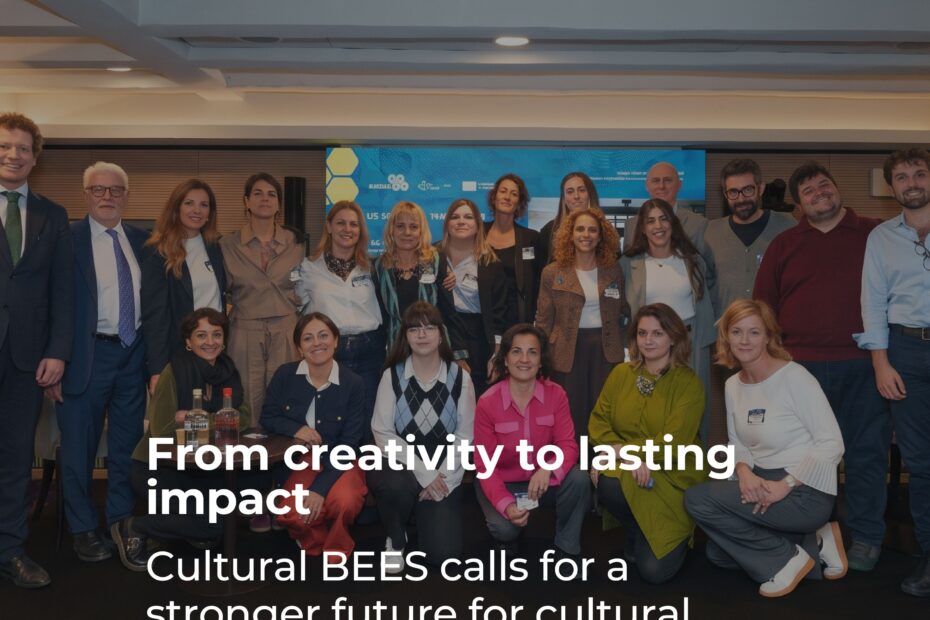
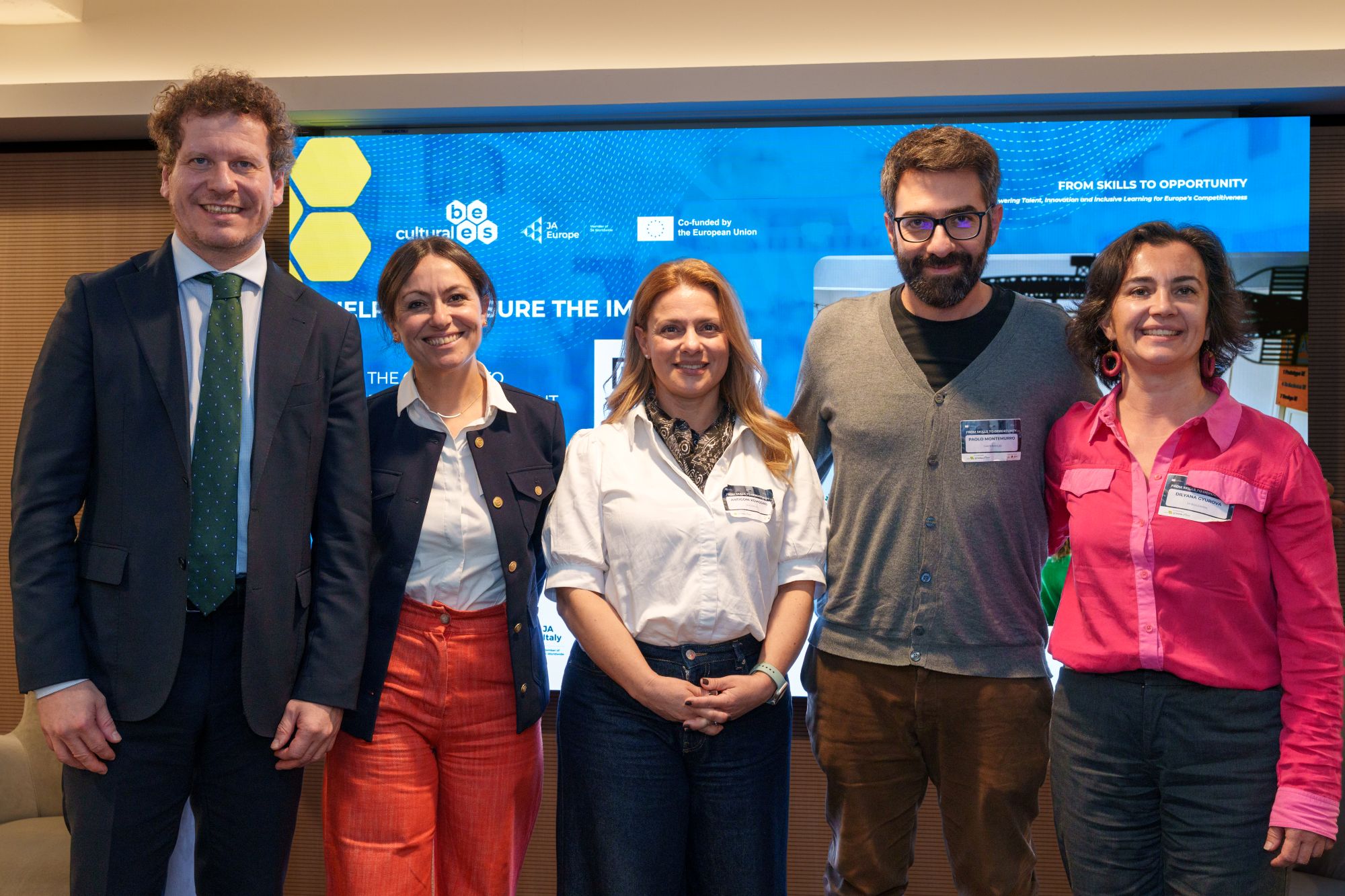
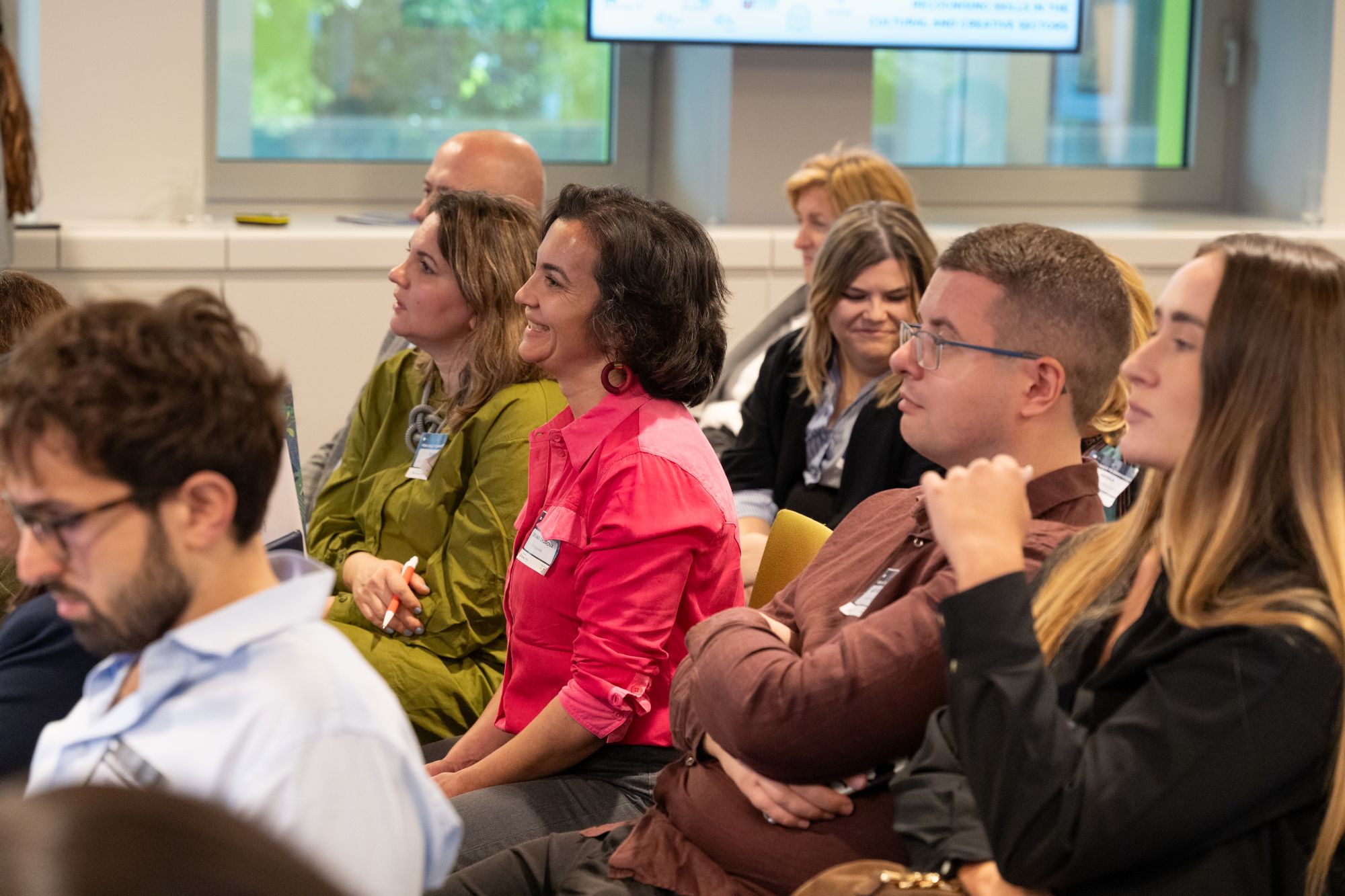
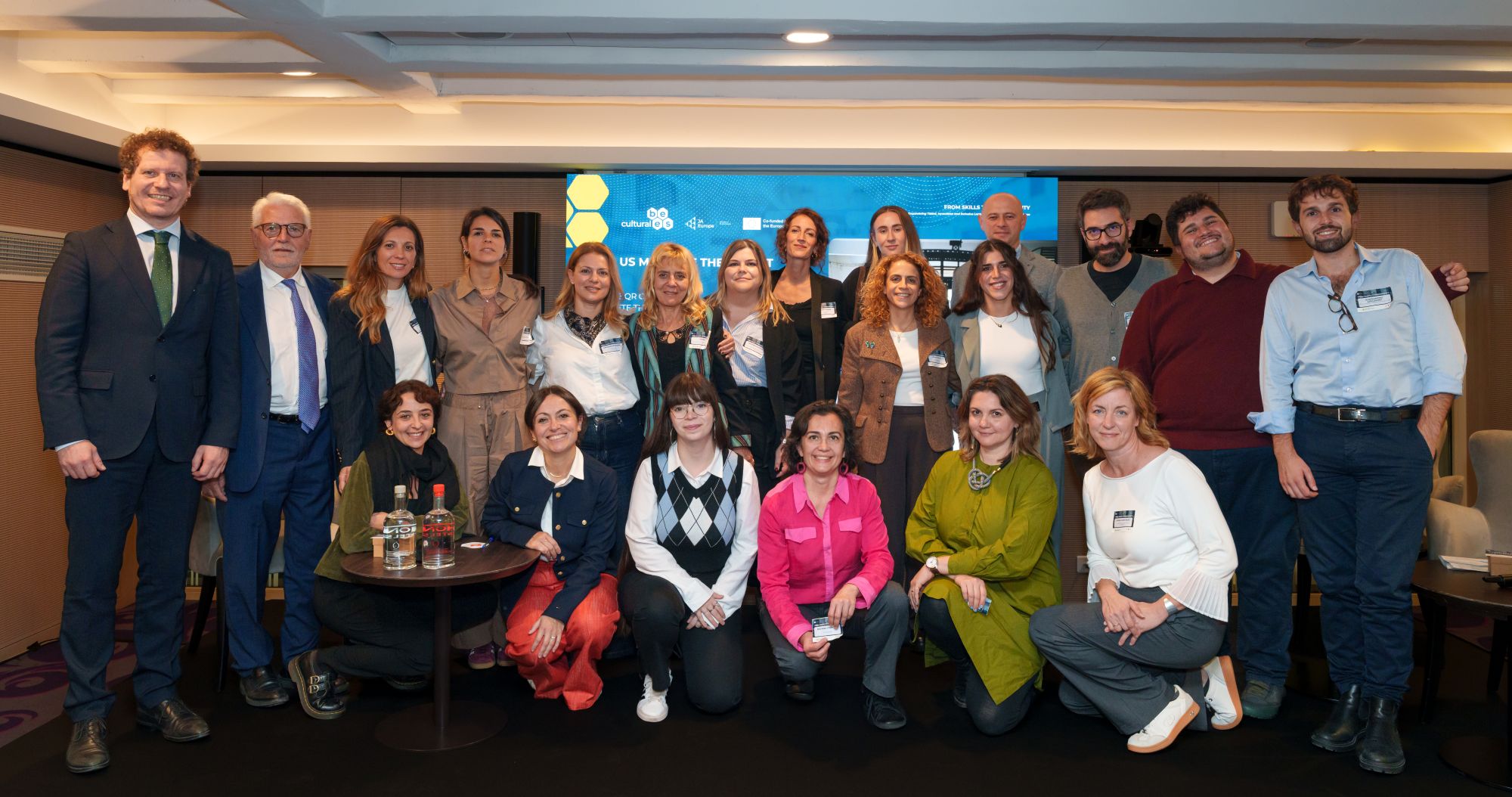
On 14 October, partners from across Europe gathered in Brussels as part of From Skills to Opportunity – Empowering Talent, Innovation and Inclusive Learning for Europe’s Competitiveness, an event organised by JA Europe during Erasmus+ Days. The programme brought together educators, policymakers, business representatives and youth organisations to explore how skills can be recognised, developed and translated into meaningful opportunities.
For the Cultural BEES consortium, the event provided an opportunity to share the project’s findings and reflect on how cultural and creative skills can become a more visible and valued part of Europe’s education and employment landscape.
Over the past three years, Cultural BEES has worked to equip young people with the skills and confidence to explore opportunities in the Cultural and Creative Industries, while supporting cultural professionals in developing their entrepreneurial capabilities. The project has reached 1,000 children and young people, demonstrating the potential of connecting cultural heritage and creative expression with practical learning and entrepreneurship.
The consortium’s work builds on a simple, yet powerful principle: creativity thrives when people have the skills, support and opportunities to turn ideas into action.
From evidence to action
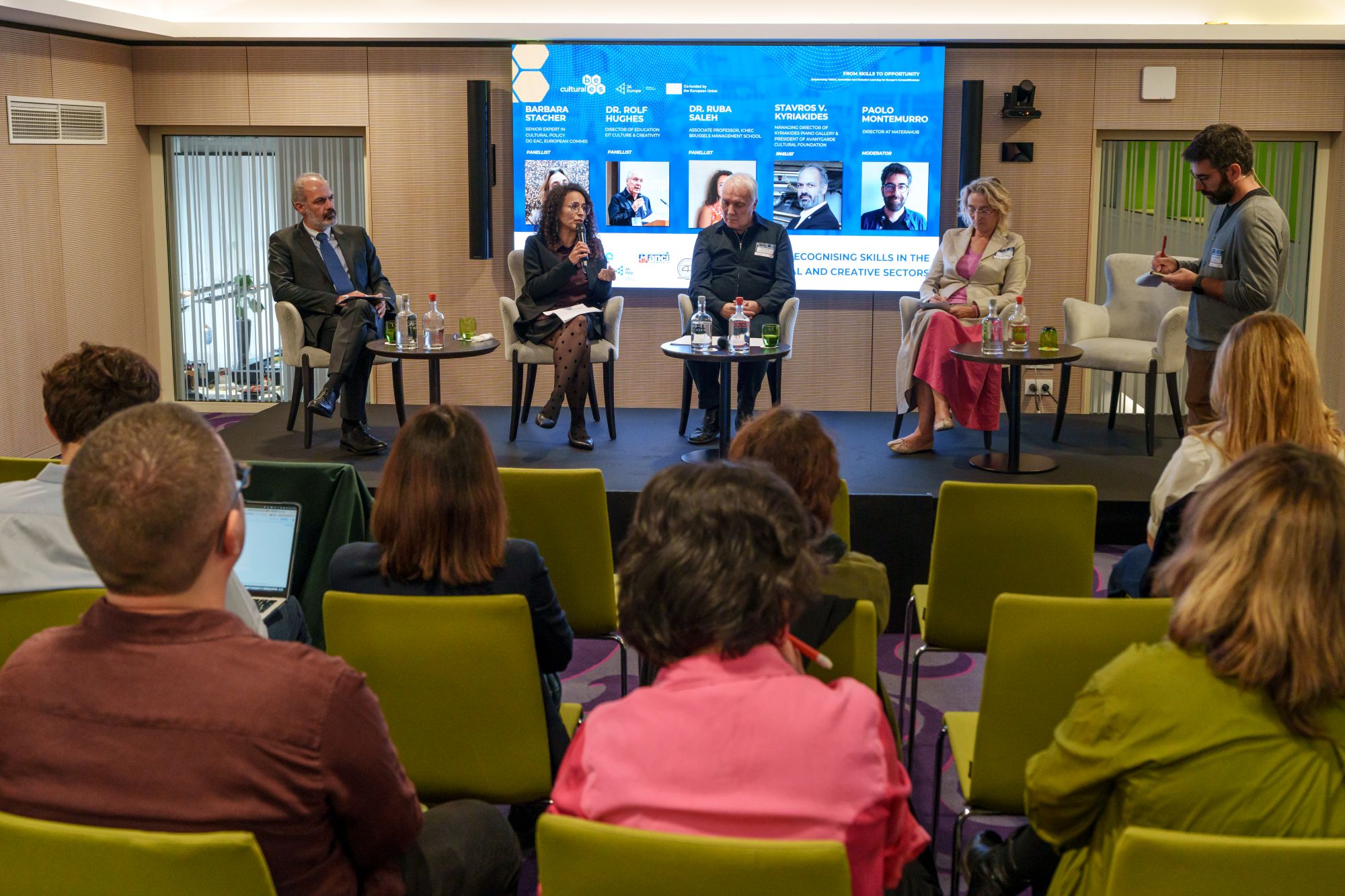
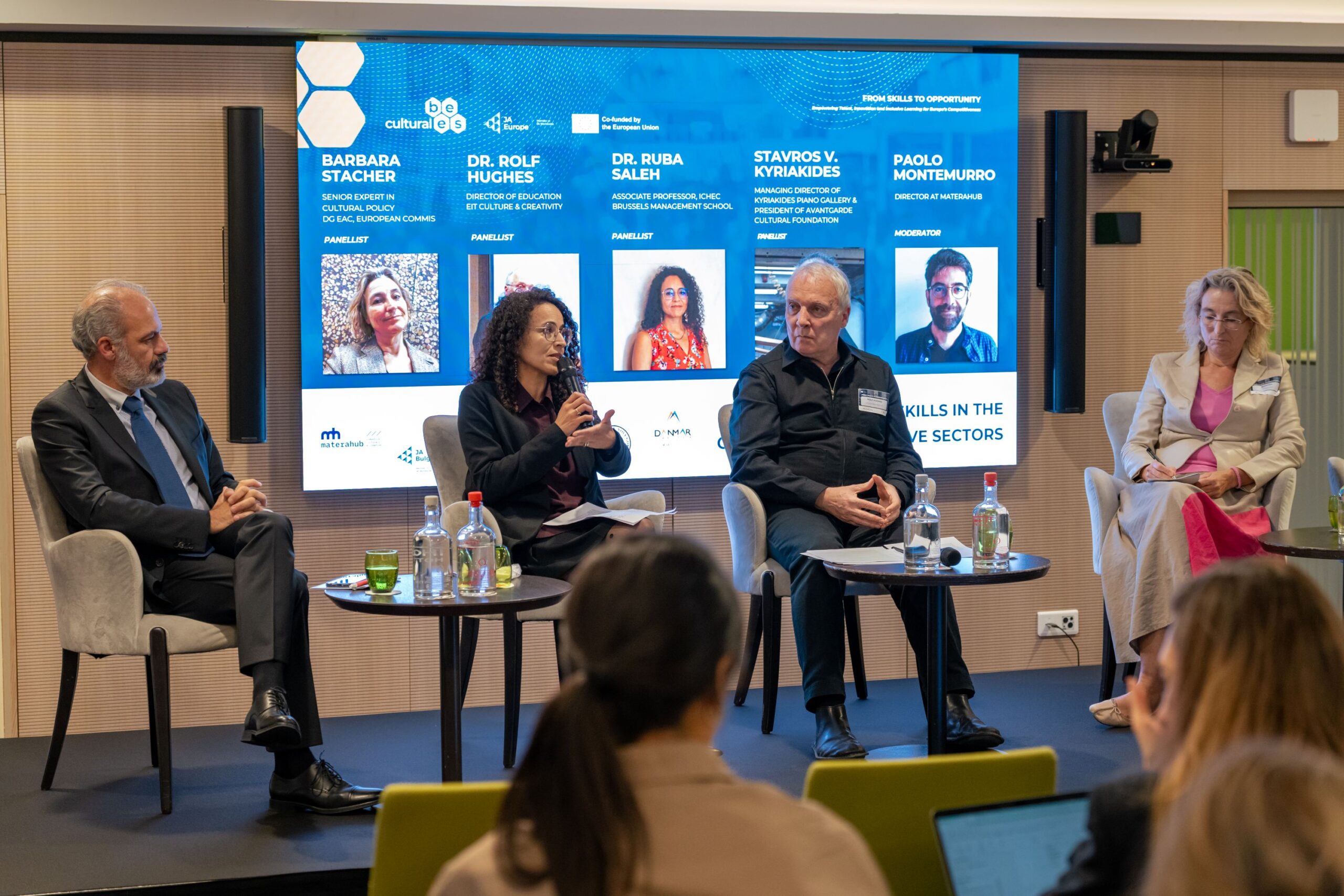
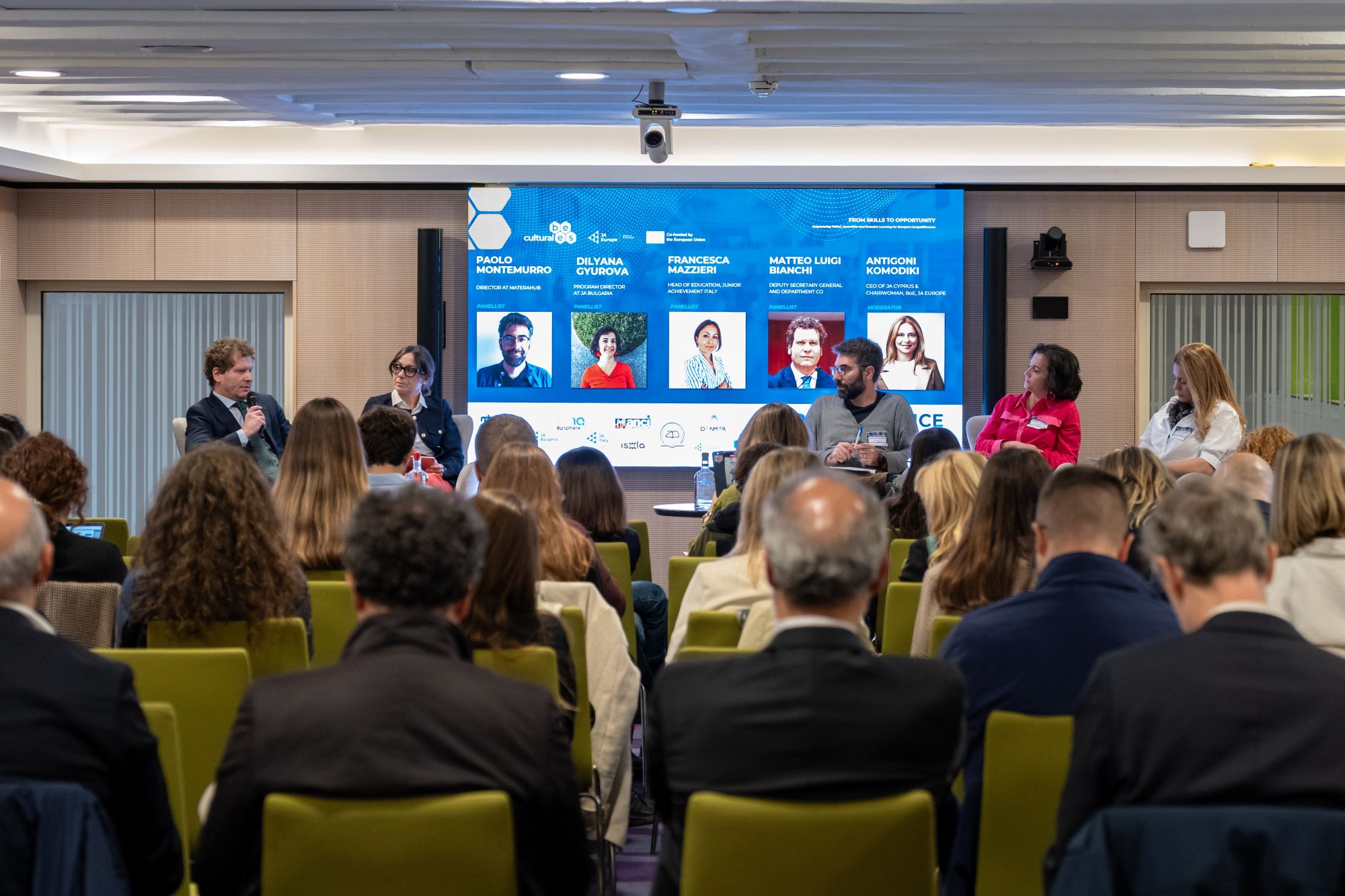
A central moment of the Brussels programme were the sessions “Recognising skills in the Cultural and Creative Sectors: From Practise to Policy” moderated by Paolo Montemurro, Director at Matera Hub and“From Evidence to Action: Implementing Skills Recognition in the Cultural and Creative Sectors,” moderated by Antigoni Komodiki, CEO of JA Cyprus. The discussions brought together perspectives from Cyprus, Italy and Bulgaria, exploring how the project’s experience can inform future practice and policy.
The conversation highlighted the importance of introducing young people to culture and entrepreneurship early, connecting them with experienced professionals and mentors, and helping them understand the cultural heritage of their own communities.
These experiences can do more than inspire future careers. They can encourage young people to develop initiatives locally, contribute to their communities and see cultural entrepreneurship as a viable pathway for professional and personal growth.
Yet inspiration alone is not enough. To sustain progress, cultural entrepreneurship education must become more firmly embedded in educational systems and local ecosystems.
The consortium identified several priorities for the next phase of work: stronger engagement with policymakers, greater involvement of municipalities and local communities, closer collaboration with universities, and continued support for teachers. Recognising and validating skills acquired through cultural and creative activities will also be essential to connecting learning with employment and entrepreneurship opportunities.
Ensuring the legacy continues
The conclusion of a European project should not mean the conclusion of its ambition.
Cultural BEES has demonstrated that arts and culture are not separate from entrepreneurship, innovation or economic development. When combined with entrepreneurial thinking, cultural knowledge and practical skills, creativity can generate lasting social, cultural and economic value.
The challenge now is to preserve the project’s tools, learning resources and partnerships, while creating the conditions for more young people and cultural professionals to benefit from them.
As the consortium reflects on the journey, one message is clear: the real measure of Cultural BEES will not only be what it achieved during the project, but what continues because of it.
The next step is to turn that ambition into lasting action, ensuring that cultural and creative skills are recognised, supported and valued across Europe.
Antigoni Komodiki is CEO of Junior Achievement Cyprus and a contributor to the Cultural BEES project.
About Cultural BEES
Cultural BEES is a European cooperation project coordinated by JA Europe and implemented with partner organisations across Europe. It aims to strengthen entrepreneurial, cultural and other transferable skills, supporting young people and emerging professionals in exploring opportunities in the Cultural and Creative Industries.
The project is co-funded by the European Union. The views and opinions expressed are those of the author(s) and do not necessarily reflect those of the European Union or the European Education and Culture Executive Agency (EACEA).
