
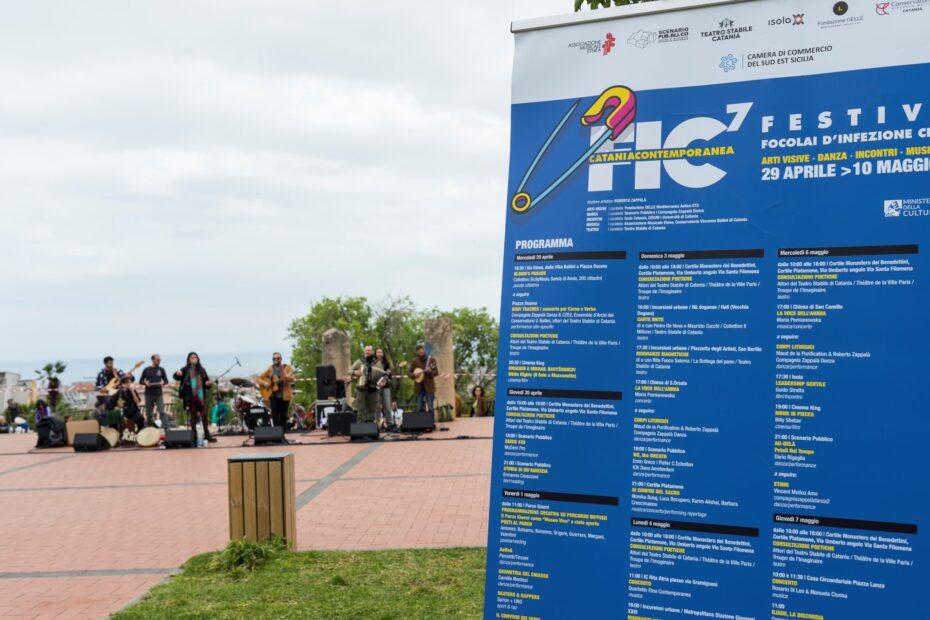
How seven organisations in Catania built a festival that turns the city into a living stage, and what it teaches young cultural entrepreneurs about working together.
The Catania Contemporanea FIC Festival is one of the many contemporary souls that make Catania what it is: a metropolitan city defined by a plurality of practices, languages and visions that run through it every day, from the performing arts to the visual arts, from music to independent cultural spaces, community hubs and the enterprises that drive its economy. It is in this constant, diffuse activity that Catania builds its contemporary identity, deeply rooted in what it is, anchored to its history, yet always open to what it might become.
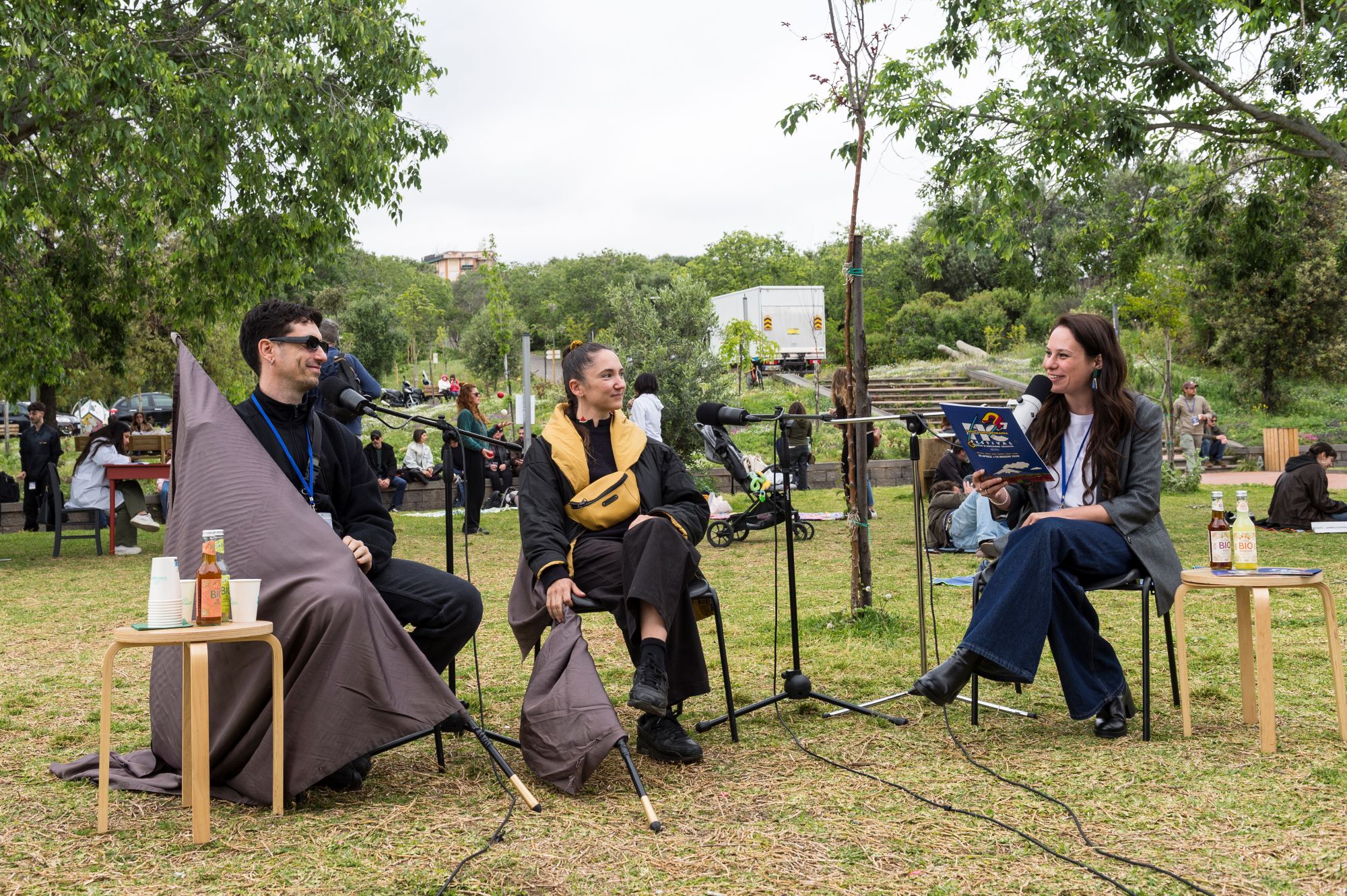
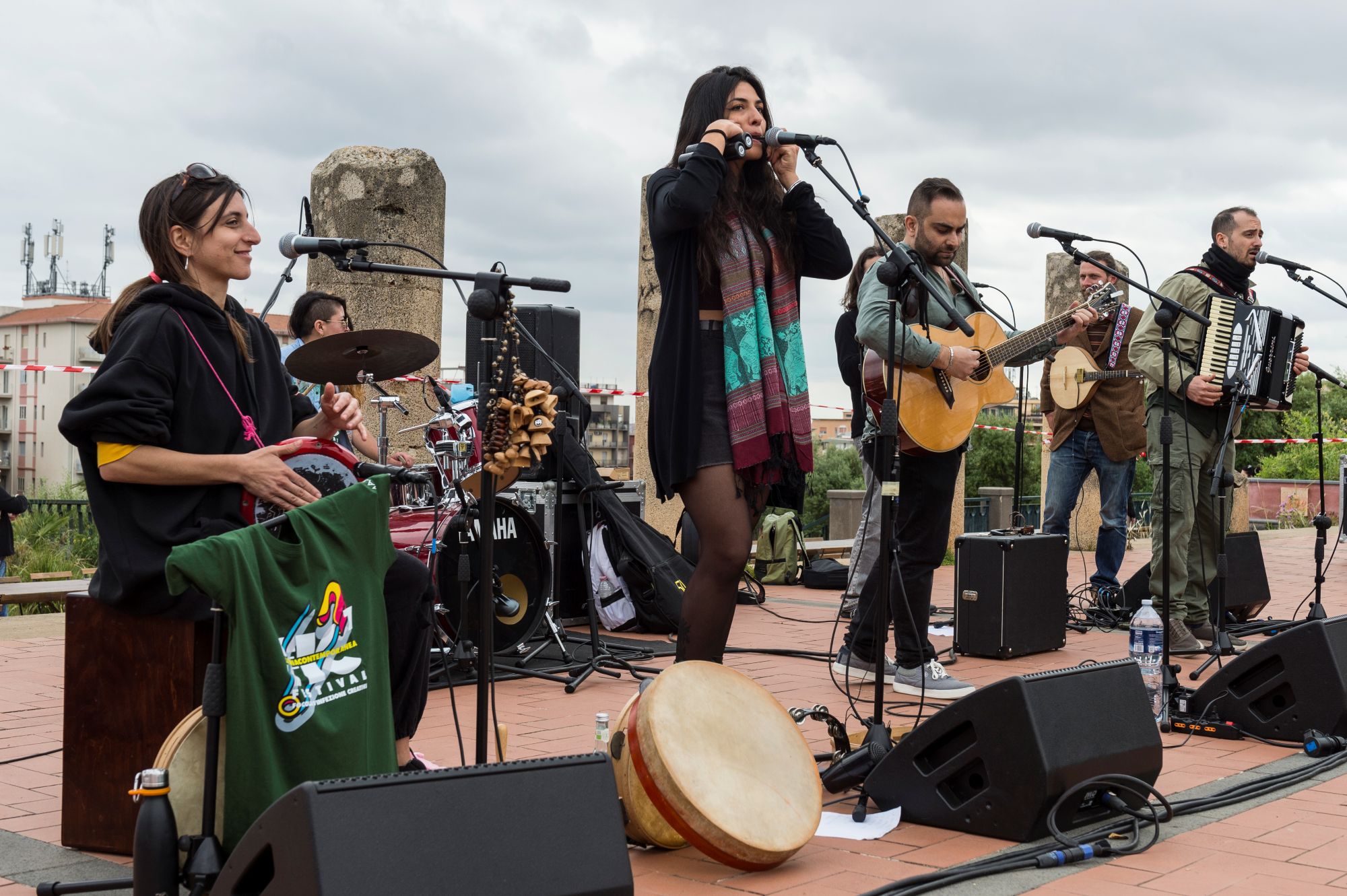
It is in this context that the FIC Festival was born, from an initiative of Scenario Pubblico / Compagnia Zappalà Danza, a leading force in contemporary dance in Sicily. Over time, the festival opened up to other artistic languages, visual arts, music, theatre, and at the same time to the spaces of the city itself, stepping out of its usual venues to inhabit squares, courtyards, churches and parks. It became, in this way, a connector capable of activating relationships between places, people and practices, and of stimulating dialogue between organisations with very different languages, approaches and audiences.
Now in its seventh edition, the FIC Festival is promoted by a network of seven institutions: Associazione Musicale Etnea, Conservatorio “Vincenzo Bellini”, DISUM/Università di Catania, Fondazione OELLE Mediterraneo Antico ETS, Isola Catania, Scenario Pubblico / Compagnia Zappalà Danza and Teatro Stabile di Catania. Each partner curates a distinct strand, visual arts, dance, music, theatre and encounters, bringing its own expertise and its own audiences to a shared project. This year, the network took a further step: the creation of a committee, a formal governance structure that gives official shape to what had for years existed only in informal relationships and shared trust. Formalising a committee matters. It helps each partner truly own the project. But beyond the legal form, what counts most is the model itself: public and private organisations, with different missions, scales and languages, sitting at the same table to work towards a common goal. That makes it significant well beyond the festival, and worth studying for anyone, anywhere, who wants to build something similar.
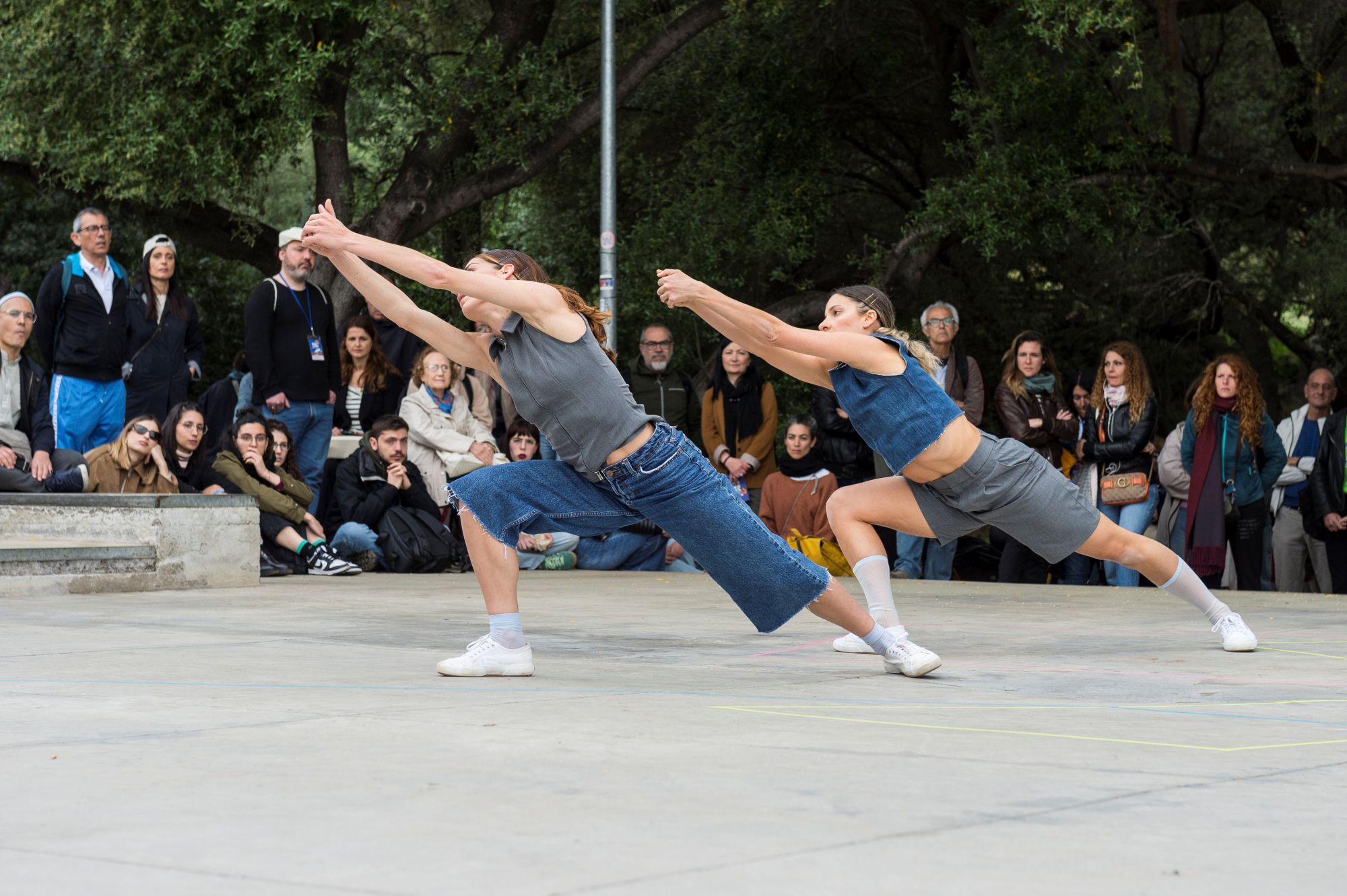
The 2026 edition ran from 29 April to 10 May, with 40 events and over 150 Italian and international artists spread across squares, courtyards, churches, theatres, universities and public parks, from the historic centre to the outskirts. A street parade with 200 participants opened the festival, crossing the city from Villa Bellini to Piazza Duomo, drawing in passers-by and sending a surge of energy through the streets. The theme of the edition was Gentleness, understood as a conscious, courageous and necessary choice: a practice of listening, of measure, of attention towards others. In a moment marked by tension and polarisation, choosing gentleness in public space, in relationships, in the way we lead organisations, was almost an act of resistance. The festival becomes, in this sense, a space to practise this attitude, turning the artistic encounter into an occasion for reflection and mutual recognition. Because the quality of relationships is the infrastructure on which anything lasting is built. And it reflects a broader shift underway in the city: an investment in building cultural ecosystems that are open, inclusive and capable of generating continuity over time, rather than isolated events produced in isolation.
What we learn from this experience
For anyone working on, or dreaming of, a cultural or creative enterprise, the FIC Festival is a practical case study. Here are five things this experience demonstrates:
- Collaboration multiplies what is possible. Seven organisations can produce what none could do alone: greater scale, wider reach, richer programming, higher visibility. The maths of partnership is not addition, it is multiplication.
- Shared governance can be learned. Very different organisations, with different identities and budgets, can build formal structures that allow genuine co-ownership. It takes trust, time and deliberate design, but it works.
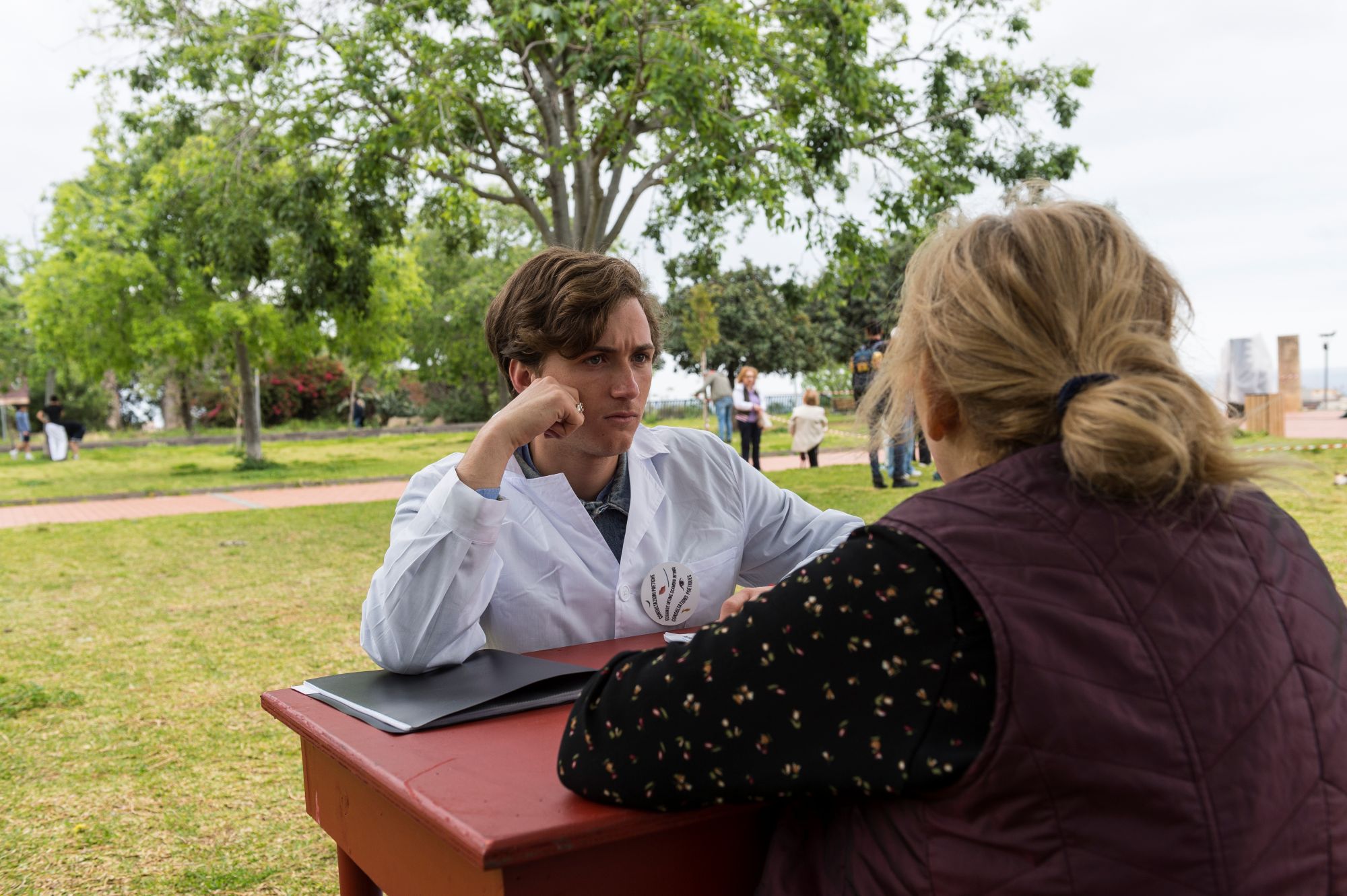
- Mixing disciplines creates new value. When art, enterprise, academia and community share a space, unexpected conversations happen. Those conversations are often where the most interesting ideas come from.
- Where you place your work is a mission decision. Taking culture out of its usual spaces, into parks, streets and the places of everyday life, lowers economic, cultural and psychological barriers to access, and reaches people who do not think of themselves as the audience of a theatre or a gallery. Choosing where you stand is already choosing who you want to include.
- Cultural organisations are enterprises. The FIC is produced by organisations that manage budgets, build partnerships, develop audiences and navigate complex institutional relationships. These are skills. They can be learned. And they matter as much as any artistic ability.
In a city where precarity, lack of shared spaces and bureaucratic complexity remain significant obstacles for creative professionals, the FIC Festival shows that structural change is possible when organisations choose to build ecosystems rather than compete for territory. You do not need to be seven organisations with decades of history behind you. You need a shared goal, trust, and the willingness to give up a little control. That, ultimately, is what the festival demonstrates most clearly: culture is not only what you produce, but how you organise to produce it.
Link: FIC Festival — Catania Contemporanea
Photo credits: Serena Nicoletti – Courtesy of FIC Festival
